
Resources

How to Build a Strength and Endurance Training Program That Maximizes Both
You do not need to choose between building strength and improving your cardiovascular fitness. Learn how to structure your weekly workouts, reduce unnecessary fatigue and decide whether to lift weights before or after cardio.
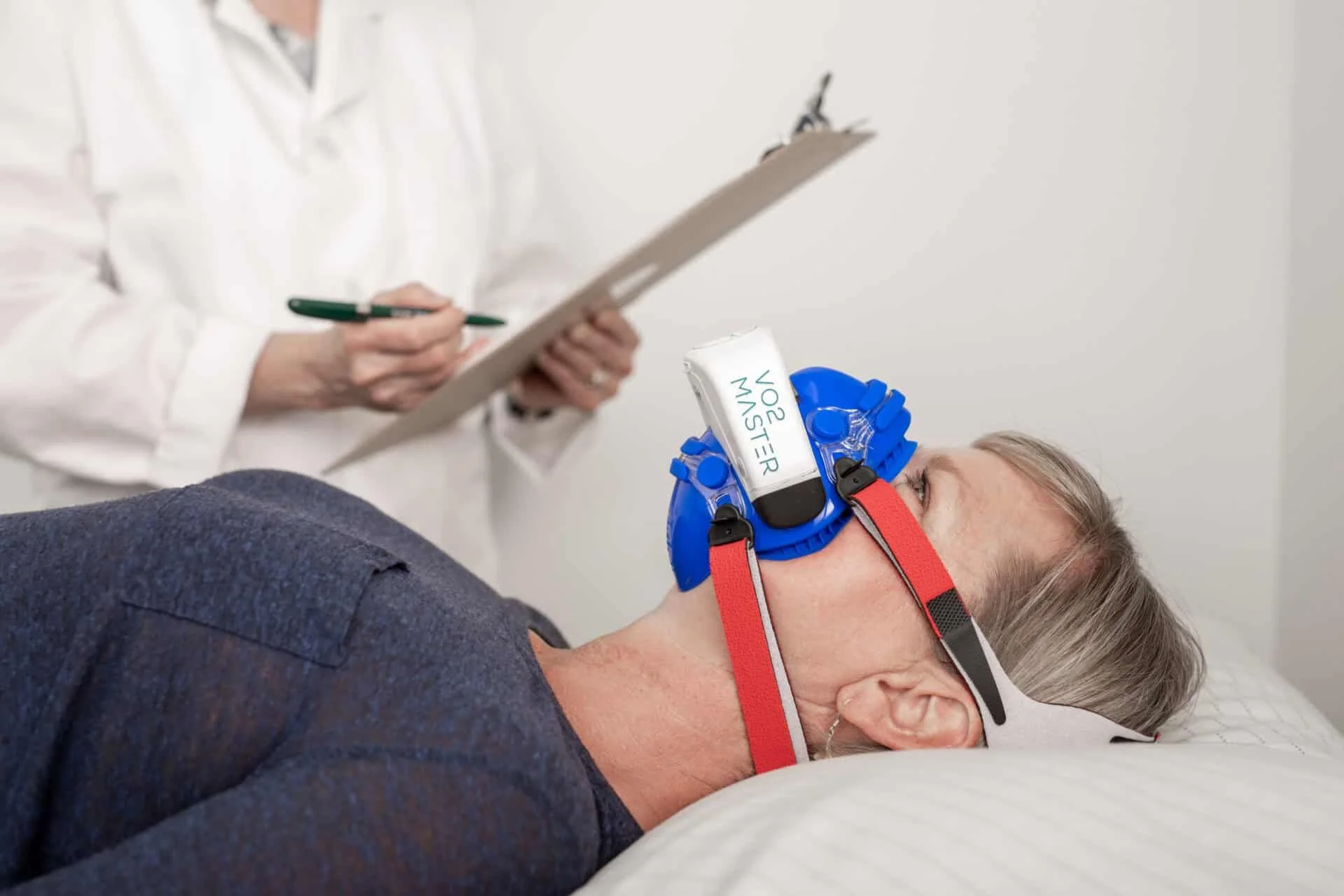
Why a Resting Metabolic Rate Test Can Improve Your Summer Body-Composition Plan
Trying to lose body fat or gain muscle this summer? A resting metabolic rate test gives you a measured starting point for your calorie targets instead of relying entirely on an online calculator.

Are You Training Too Hard for HYROX? Why Misusing Heart-Rate Zones May Be Holding You Back.
More intensity is not always the answer. Learn why generic HYROX heart-rate zones can make it harder to separate easy runs from quality sessions, and how VO₂max testing can help guide a more individualized training plan.

If Your Treatment Never Changes, Is It Actually Treatment?
Good treatment should not feel like the same routine repeated indefinitely. Whether you are seeing a chiropractor, physiotherapist, or another rehabilitation professional, your care should evolve as your symptoms, capacity, and goals change. This article explains what thoughtful, evidence-informed treatment should actually look like.

Why You Should Complete a VO₂max Test Before Your Next HYROX Race
Preparing for HYROX? A VO₂max test can identify your aerobic ceiling, LT1, and LT2 to guide smarter training, improve pacing, and help you perform better across the 8 x 1 km runs and functional stations.
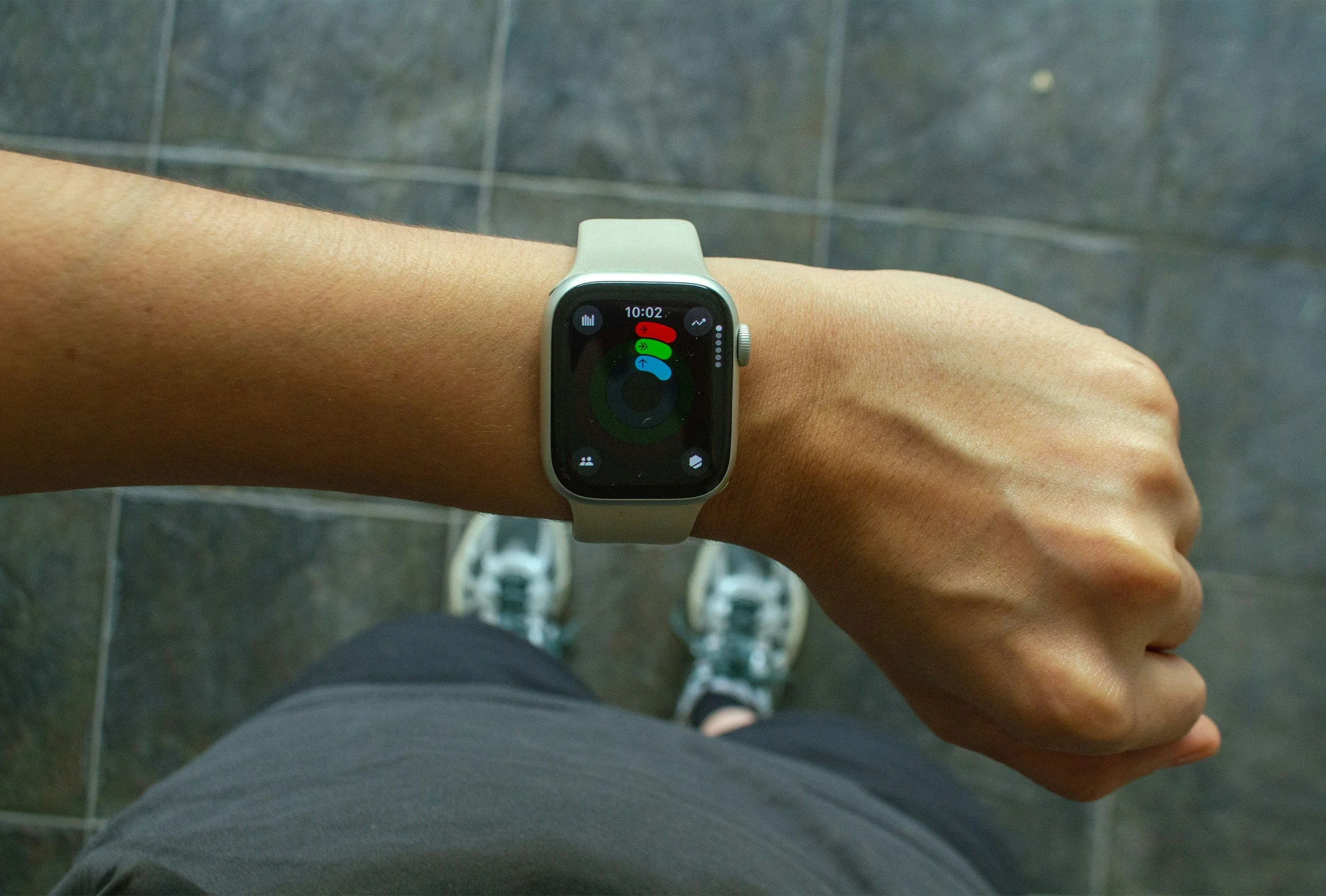
Why your wearable is not accurate enough to know your VO₂max
From Garmin to Apple Watch to Whoop is seems like every company is coming out with a wearable that promises more data, more insight, and increasingly large promises for what their product can do for your long-term health. But are these claims justified? In the case of VO₂max, it seems like they are overpromising and under-delivering.
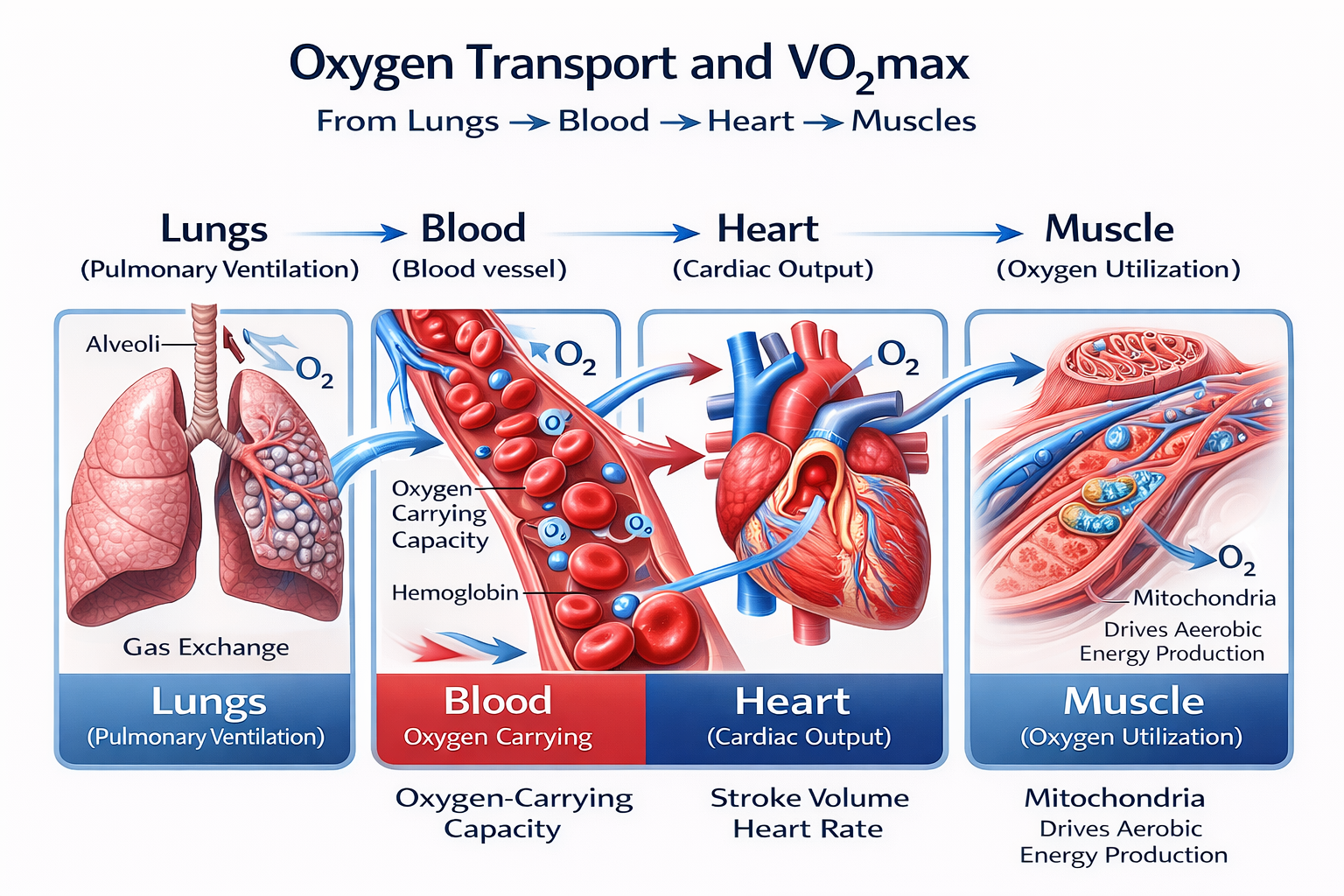
VO₂max Explained: What It Is, How It’s Calculated, and Why It Matters
VO₂max is one of the most powerful metrics that you can measure in exercise physiology when it comes to health and performance. From elite athletes to is regular people, VO₂max is an integrated measure of how well your heart (cardiovascular system), lungs (respiratory system) and muscles (metabolic system) function.

From head injury to brain dysfunction: the molecular mechanisms of a concussion
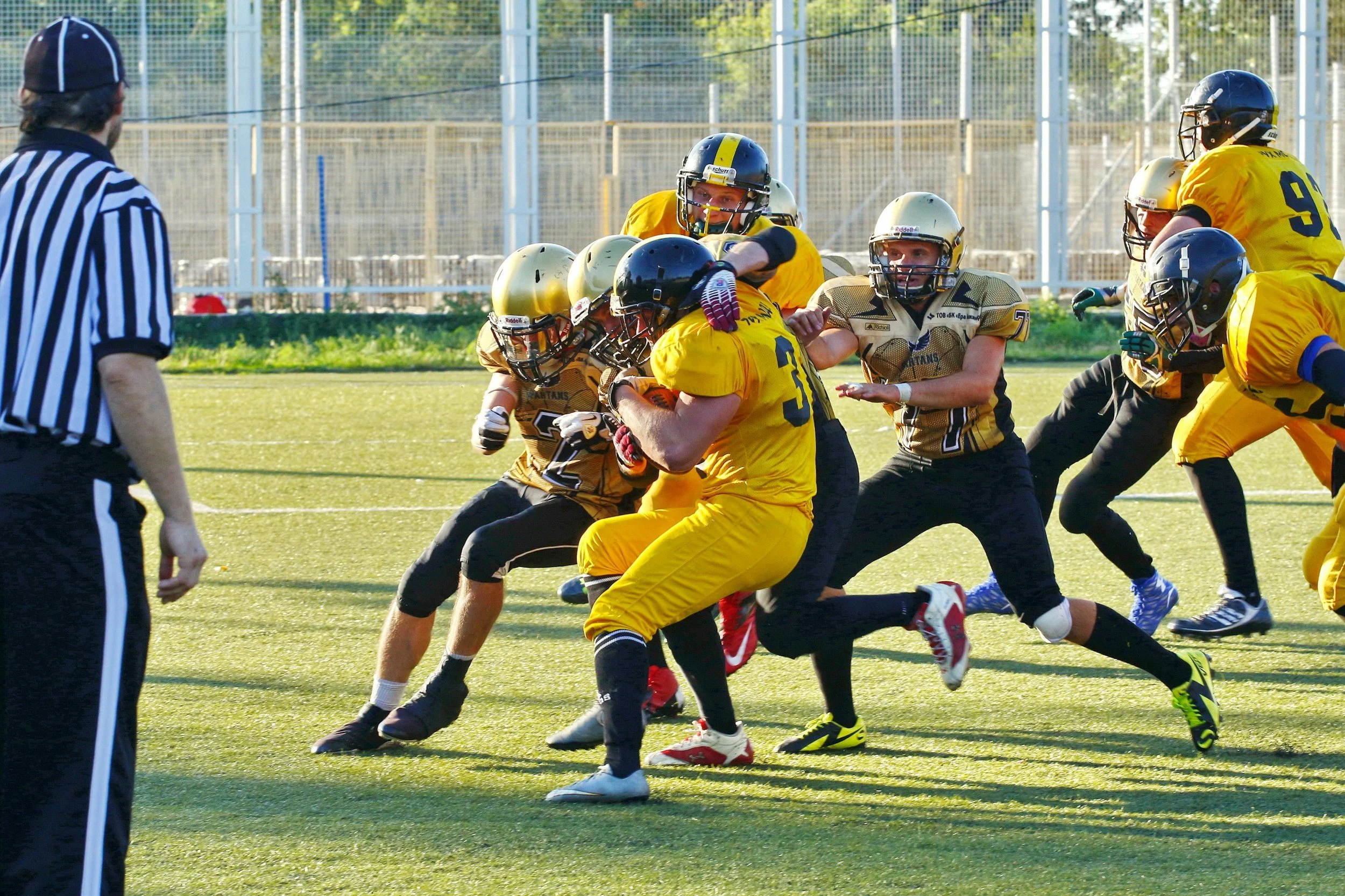
Safely returning to sport after a concussion
Concussions are functional brain injuries that affect how the brain works, and returning to sport too quickly can increase the risk of prolonged symptoms or more serious injury. Parachute Canada’s 6-step return-to-sport protocol provides a structured, evidence-based path to recovery, starting with symptom-limited daily activity and progressing through light exercise, sport-specific drills, non-contact training, full-contact practice, and finally a safe return to competition. Each step requires careful monitoring and at least 24 hours before advancing, with medical clearance needed before contact. Tools like the Ontario Online Concussion Assessment help ensure athletes receive timely evaluation, proper documentation, and safe guidance through each stage of recovery.

How to manage screen intolerance after a concussion?

How do online concussion assessments work?
Virtual concussion assessments offer a structured, evidence-based alternative to in-person care, allowing patients across Ontario to access high-quality evaluation and rehabilitation remotely. These visits emphasize a detailed clinical history—covering mechanism of injury, symptom patterns, medical background, and functional demands—paired with a targeted virtual exam that screens neurological function, vision and vestibular systems, balance, gait, and the cervical spine. Treatment focuses on active rehabilitation supported by current research, including symptom-limited aerobic exercise, vestibular and oculomotor therapy, cervical spine management, return-to-work or school planning, and headache strategies. When needed, care is coordinated with other healthcare providers, and safety triage is built into every assessment. For many patients, virtual concussion care delivers accessible, individualized, and clinically rigorous support through the entire recovery process.

Referred vs Radicular Pain: What is the difference and why does it matter?

Bed rest and low back pain: potentially doing more harm than good.

Heel striking when running- Is it really that bad?

The work-from-home holy grail: the perfect office chair.

Need to spice up your run? 3 different running workouts to add to your program.

Want to start running? 5 tips to get you started.
It all begins with an idea.